Lagos to Cotonou by road: cost, time and border tips
Lagos to Cotonou is one of the easiest international trips you can make from Nigeria. It usually takes about three hours by road, and five at most when traffic or the border is slow. No flight, no visa, just your passport and a bit of planning.
Here's how to choose the right way to travel, what it really costs and how to get through Seme without stress.
Your options at a glance
| Option | Time | Cost | Best for |
|---|---|---|---|
| Bus company | 3 to 6 hrs | About ₦70,000 to ₦120,000 (2026 estimates) | Solo travellers, first timers |
| Shared car | 3 to 4 hrs | Agree before you leave | Flexible timing |
| Your own car | About 3 hrs | Fuel plus border paperwork | Groups, families |
| Flight | Short flight, longer door to door | Usually higher than road | Very short trips |
Option 1: Travel with a bus company
This is the easiest choice for a first trip. Buses to Cotonou leave from Mile 2, Jibowu and Iyana-Ipaja, and executive buses cost a little more for extra comfort. The big advantage is help at the border: staff are used to the process and guide passengers through it.
The trade-off is time. Buses stop more and wait for everyone to clear the border, so allow up to six hours on a busy day.
Option 2: A shared car
Shared cars leave when they're full, so they're often quicker than buses. You'll share with strangers, and comfort depends on the car you get. Always agree the full price, and whether it includes your bags, before you get in.
Option 3: Drive your own car
Driving gives you freedom once you're in Benin, and the road itself can take under two hours without delays. You'll need your driving licence, your vehicle papers and an ECOWAS Brown Card, which is the regional car insurance. Expect extra checks at the border for vehicles.
Is it worth flying?
The flight itself is short, but once you add getting to the airport, check-in and waiting, it's rarely quicker than the road. It usually costs more too. It makes sense mainly if you're short on time or connecting from further away, like Abuja.
At the Seme border
You'll get a Nigerian exit stamp, then a Benin entry stamp. As a Nigerian, you need your international passport and no visa. Keep your documents together and only pay official fees. For the full list, read our entry requirements guide.
Insider tip: Leave Lagos before 7am. You'll beat the worst of the traffic and the border queues, and be in Cotonou by late morning.
When you arrive in Cotonou
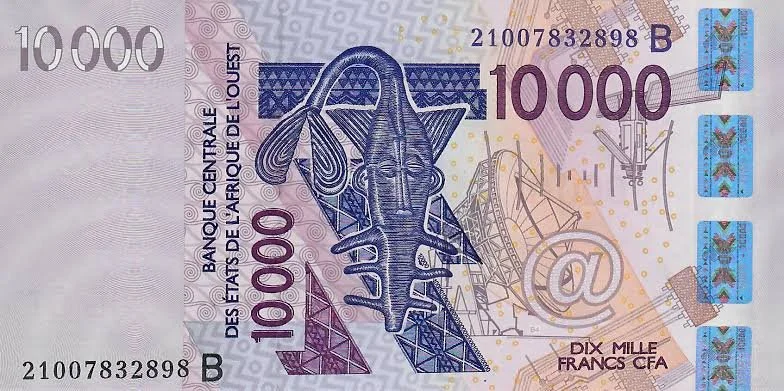
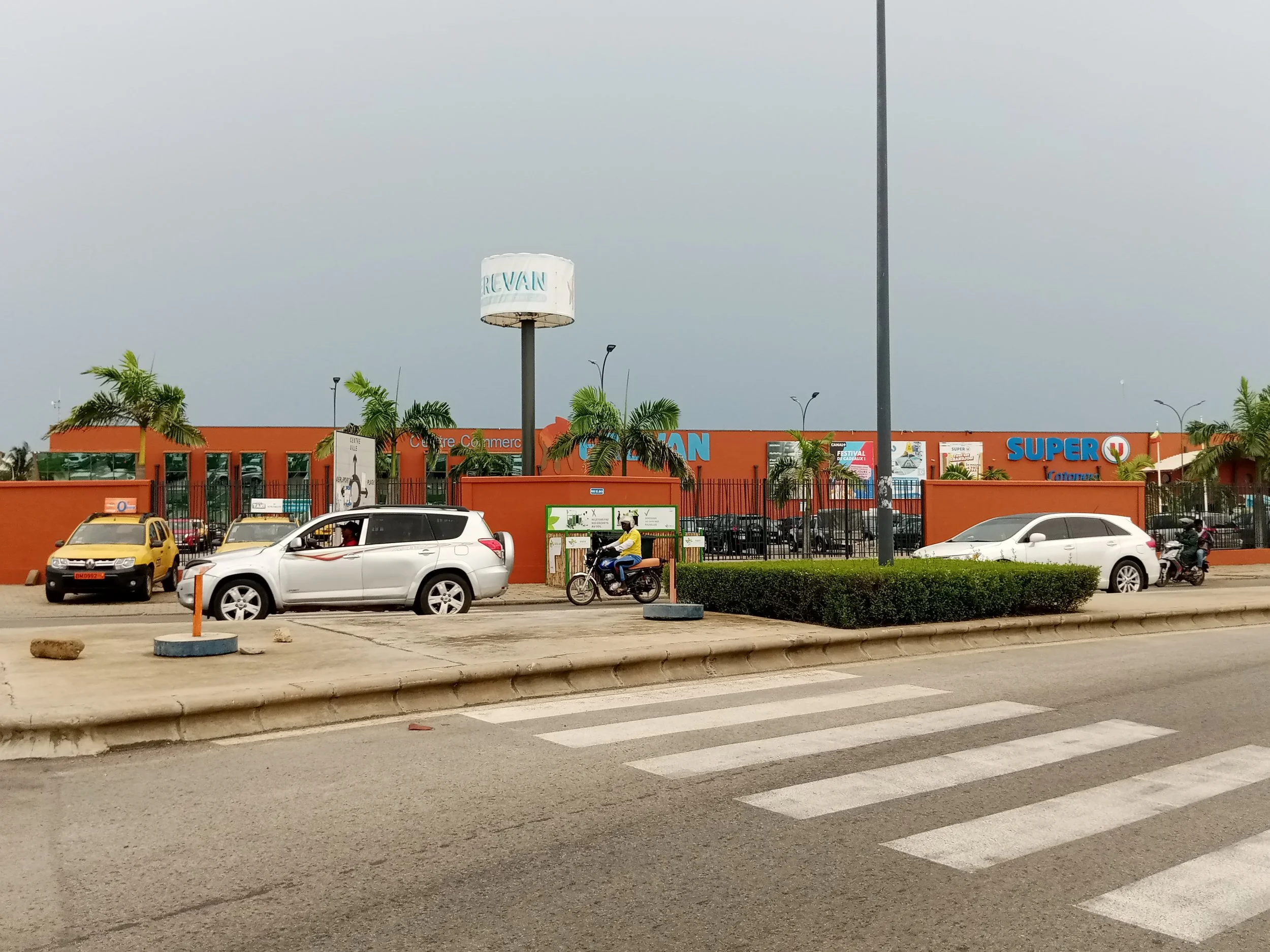
Have your hotel address saved offline, and carry some small CFA notes for a taxi or a zémidjan, the yellow-shirted motorbike taxis you'll see everywhere. Zémidjans are quick and cheap for short trips, but take a car if you have luggage.
Plan your return
The return journey works the same way in reverse. Leave Cotonou early, especially on Sundays and before public holidays, when everyone heads back to Lagos at once.
Frequently asked questions
-
No. Your passport must be valid, ideally for six months beyond your trip.
-
Yes. Every traveller, including children, needs their own valid passport or travel document.
-
Short visits are visa-free under ECOWAS rules. For long stays, work or relocation, you'll need a residence permit, called a carte de séjour.
-
No, not as a Nigerian. You need your international passport.
Changing a larger amount? Meet my dad.
Licensed in Cotonou for 30 years. He handles larger amounts, and his team comes to meet you.
- Naira, CFA, pounds, dollars✓
- Larger amounts✓
- His team comes to you✓